

How to Recognize Them — and What to Do
Most back pain episodes don’t happen suddenly. Your body usually gives warning signs first. If you catch them early, you can often prevent a full “back pain attack.”
Below are the most common early signs and simple steps you can take.
1. Pain When You Cough or Sneeze
What it may mean:
- Disc irritation
- Significant muscle tension in hips or low back
What to do:
✔ Walk more throughout the day
✔ Sit less
✔ Avoid heavy lifting
✔ Limit repeated forward bending
If walking increases pain, seek advice.
2. Pain or Stiffness When Getting Out of a Chair
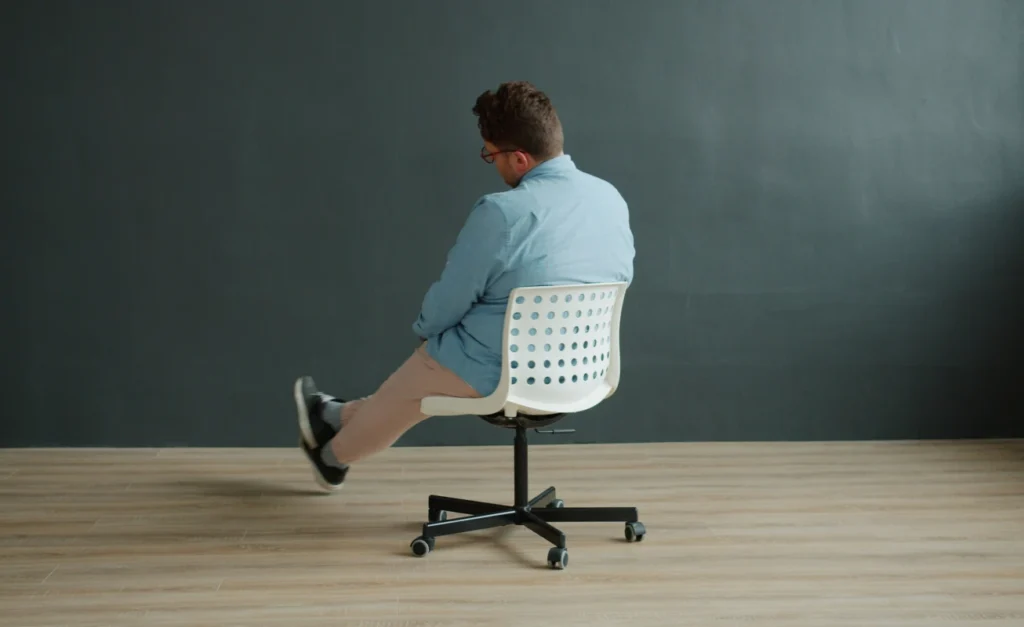
What it may mean:
- Disc strain
- Tight hip flexors
- Underuse of glute (buttock) muscles
What to do:
✔ Increase daily walking
✔ Stretch hip flexors (gentle lunge stretch)
✔ Keep both feet flat when sitting
✔ Avoid crossing your legs
✔ Use your glute muscles when standing up
Tip: Very high stools without back support can increase hip tension.
3. Pain After Sitting Less Than 30 Minutes
Healthy backs should tolerate 90–120 minutes of sitting with breaks.
Common causes:
- Disc strain
- Poor core support
- Tight hips and back muscles
What to do:
✔ Take movement breaks every 45–60 minutes
✔ Walk daily
✔ Stretch hip flexors
✔ Practice neutral-spine core exercises (bridges, dead bugs, planks)
4. Morning Stiffness (Without Heavy Activity the Day Before)

Possible causes:
- Increased disc fluid overnight
- Irritated spinal joints
What to do:
✔ Get moving early (gentle walk)
✔ Avoid lying in bed too long
✔ Improve posture during the day
✔ Strengthen core muscles
✔ Stretch tight leg muscles
Morning stiffness is common — but it’s not simply “aging.”
5. Needing to Sit After Standing Less Than 30 Minutes
You should comfortably stand for at least 30 minutes.
Common causes:
- Sway-back posture
- Tight leg muscles
- Poor core support
What to do:
✔ Correct posture
✔ Stretch tight muscles
✔ Strengthen deep core support
If you avoid events (shopping, museums, social gatherings) because of standing pain, this is a warning sign.
🚩 When to Contact Your Therapist
Seek guidance if:
- Walking does not relieve your pain
- Pain increases as you become more active
- You are unsure how to activate your core muscles
- You are returning to fitness and feel at risk
✅ The Key Message
Back pain attacks are often preventable.
Recognize the early signs.
Respond quickly.
Keep moving.
Support your spine.
If you’re unsure what your body is telling you, we’re here to help.